
Uncovering the myths of luck in gambling
The Nature of Luck in Gambling
Luck is often perceived as a random and uncontrollable force that influences the outcomes of gambling activities. Many players believe that luck plays the dominant role in determining their success or failure at casinos and other betting venues, especially when using casino neosurf which are believed to enhance their chances. This belief is deeply rooted in cultural narratives and personal experiences, leading to the widespread assumption that luck can lead one to victories without substantial effort or strategy.
However, gambling outcomes are influenced by both chance and the underlying mechanics of the games. For example, slot machines operate on algorithms and random number generators that decide the results of each spin. While it may seem like a matter of luck when hitting a jackpot, the reality is that players must understand the game’s variance and payout structures to make informed betting decisions. This understanding reveals that while luck exists, it plays a different role than many gamblers perceive.
Additionally, defining luck varies among individuals. Some may view a big win as a stroke of luck, while others may attribute their success to skillful gameplay. This duality creates a complex dynamic regarding how gamblers approach their betting strategies. Ultimately, redefining luck as a blend of chance, knowledge, and strategy can help players adopt a more realistic mindset, potentially leading to more consistent outcomes.
Myths Surrounding Luck and Strategy
One prevalent myth is that certain betting strategies can manipulate luck in favor of the player. Many gamblers believe that sticking to specific patterns or rituals can enhance their chances of winning. This practice is often seen in table games, where players may have favorite betting sequences or physical rituals they perform to invite luck. Yet, the circumstances surrounding gambling are grounded in mathematics rather than superstition.
Statistical probabilities govern games of chance, meaning that no amount of strategic betting or personal belief can alter the underlying odds. For instance, a player may consistently double their bets after a loss, hoping to recover their previous losses. While this strategy can lead to temporary wins, it often increases the risk of significant losses over time. Understanding the mathematical foundation of gambling can help dispel the myth that luck can be controlled through strategy.

Furthermore, some players think that past results can influence future outcomes, especially in games like roulette or blackjack. This belief in “hot” and “cold” streaks can lead to misguided betting patterns. The reality is that each game is independent of previous outcomes, and such beliefs can lead to detrimental financial decisions. Teaching players the importance of probability and game mechanics can help break down these misconceptions.
The Psychology of Gambling and Luck
The psychological aspects of gambling are another driving force behind the myths of luck. Gamblers often exhibit cognitive biases that reinforce the idea that luck is a primary factor in winning. For example, the illusion of control can lead players to believe they have some influence over the outcomes simply due to their choices or behaviors. Such beliefs can be enticing, as they provide a false sense of security.
Cognitive biases like confirmation bias can further perpetuate these myths. When players experience a win, they may attribute it to their skill or a lucky charm, while overlooking the numerous times they lost without any external factors. This selective focus creates a narrative that skill and luck are more intertwined than they truly are, which can lead to continued gambling even in the face of significant losses.
Furthermore, the thrill associated with gambling can cloud judgment, leading players to chase losses or become obsessed with winning back their money. Understanding the psychological triggers that contribute to this behavior can empower individuals to approach gambling with a more balanced perspective. Awareness of these psychological factors is crucial for responsible gambling practices and can help prevent compulsive behaviors associated with erroneous beliefs about luck.
Understanding Randomness and Odds
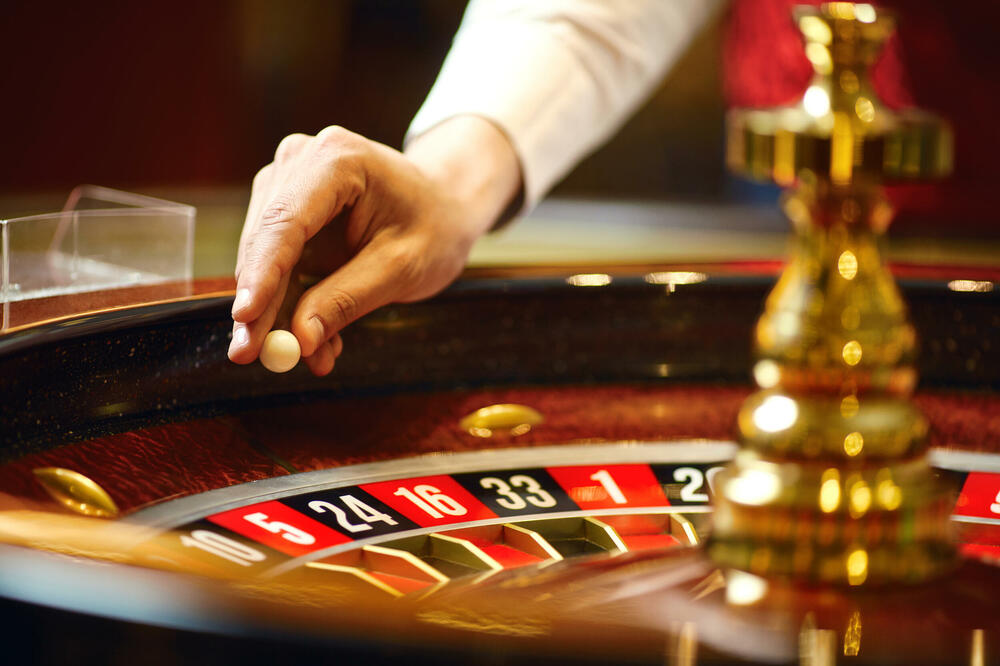
A key component in uncovering the myths surrounding luck in gambling is understanding randomness and the odds inherent in each game. Each game, whether it’s a slot machine, poker, or baccarat, operates under specific mathematical odds that dictate outcomes. Players often misinterpret these odds, believing that past outcomes influence future results. However, each play is random and independent, highlighting the importance of understanding probability.
For example, in poker, while skill is essential, the role of chance cannot be overlooked. The cards dealt are random, and thus, players must adapt their strategies based on the hands they receive. Although a skilled player can better navigate their chances, luck still plays a fundamental role in each hand. A deep comprehension of odds can help players grasp that while they influence their success through skill, luck is an inherent part of the experience that cannot be controlled.
Moreover, understanding the house edge is critical for gamblers. Each game has a built-in advantage for the house, which ensures long-term profitability for the operator. By being aware of these edges, gamblers can make smarter choices and engage with the games that offer better payouts or lower risks over time. This knowledge fosters a more realistic understanding of how luck and strategy coexist within the world of gambling.
Conclusion: Finding Balance in Luck and Skill
Understanding the myths surrounding luck in gambling can profoundly impact a player’s experience and approach. By acknowledging that luck is only one facet of a larger equation, individuals can adopt more effective strategies that encompass skill, knowledge, and responsible practices. This balanced approach not only enhances the enjoyment of games but also minimizes the risks associated with gambling.
It is essential for players to remain informed and aware of the mechanics and probabilities that govern the games they choose to play. By fostering a mindset that values both skill and luck, gamblers can engage in more sustainable habits and enhance their overall experience. Responsible gambling begins with recognizing these truths and making informed decisions based on knowledge rather than misconceptions.
At the end of the day, the combination of luck and strategy creates a unique and exciting environment within gambling. Players who understand this dynamic will likely enjoy their time spent gambling more and will make better decisions. Stay informed and grounded in reality, and you’ll enhance your engagement with the games and experiences available in this vibrant entertainment industry.
